Achieving net zero carbon emissions is no longer just a lofty ambition for businesses; it has become a critical necessity. Companies across industries are seeking practical ways to cut emissions, reduce waste, and meet sustainability goals. Among the most effective tools in this effort are sub-metering systems and energy monitoring solutions. These technologies enable organisations to gain detailed insights into energy consumption, streamline operations, and make data-driven decisions to support their net zero plans.
Understanding Sub-Meters and Energy Monitoring
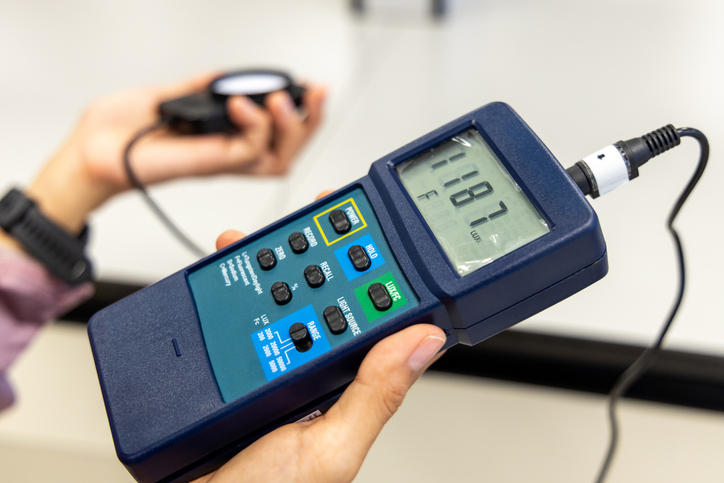
Sub-meters are devices that measure energy use at specific locations, equipment, or processes within a facility. Unlike traditional utility meters that capture overall consumption, sub-meters provide granular data, allowing companies to pinpoint inefficiencies and opportunities for savings. Paired with energy monitoring systems, which aggregate and analyse data in real-time, sub-meters transform raw numbers into actionable insights.
How Sub-Meters and Monitoring Drive Net Zero Goals
- Enhanced Visibility into Energy Use
- Sub-meters provide a detailed breakdown of energy consumption, enabling companies to identify which systems, departments, or machines are the most energy-intensive.
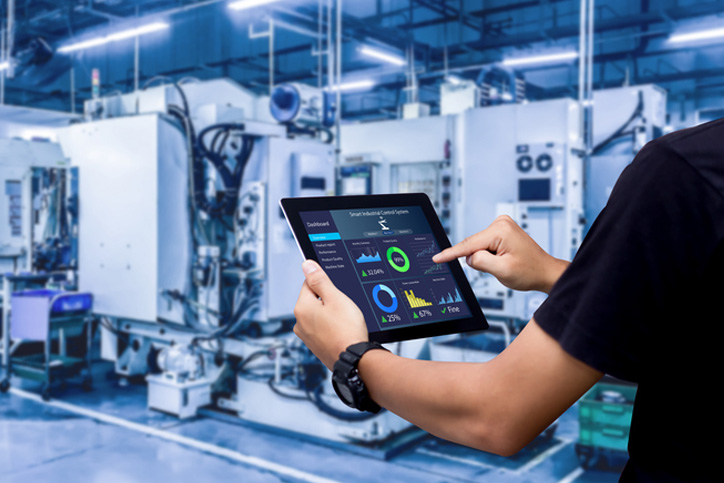
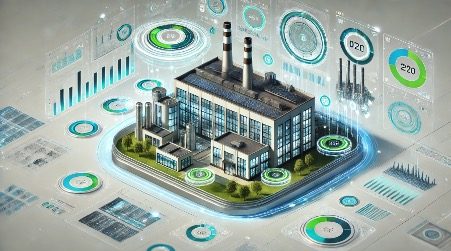
- Real-time monitoring systems display this data in user-friendly dashboards, empowering decision-makers to act quickly.
- Visibility uncovers wasteful practices, such as machines left running during downtime or inefficiencies in energy-intensive processes.
- Informed Decision-Making
- Granular data from sub-meters enables precise decision-making about upgrades, retrofits, or operational changes.
- For example, a facility manager might prioritise replacing outdated equipment in areas identified as energy hotspots.
- Monitoring tools can simulate the impact of various changes, helping organisations forecast energy and carbon savings before committing to investments.
- Optimised Energy Use
- Sub-meters allow companies to implement load shifting, scheduling energy-intensive tasks during off-peak hours to save costs and reduce strain on the grid.
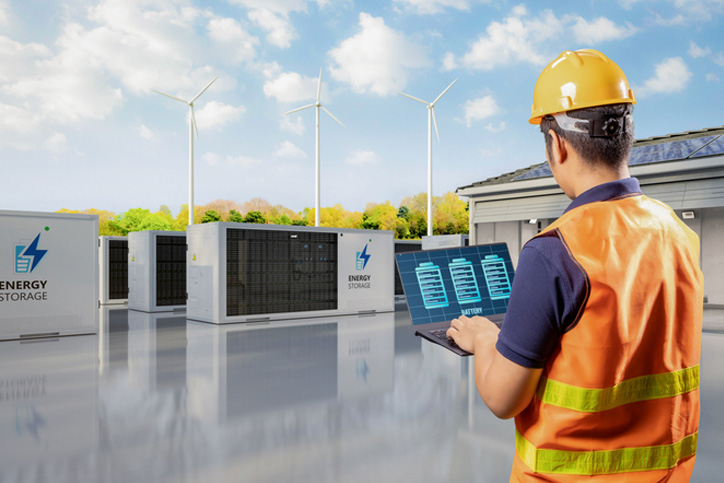
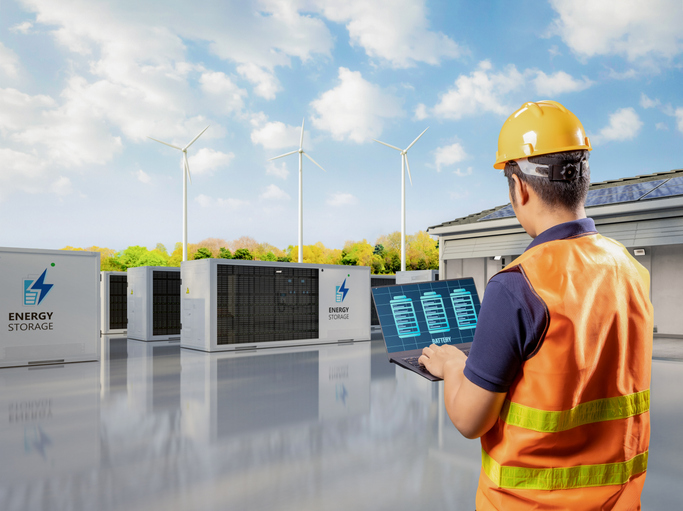
- Energy monitoring systems can automatically adjust lighting, heating, or cooling based on occupancy or external conditions, reducing unnecessary consumption.
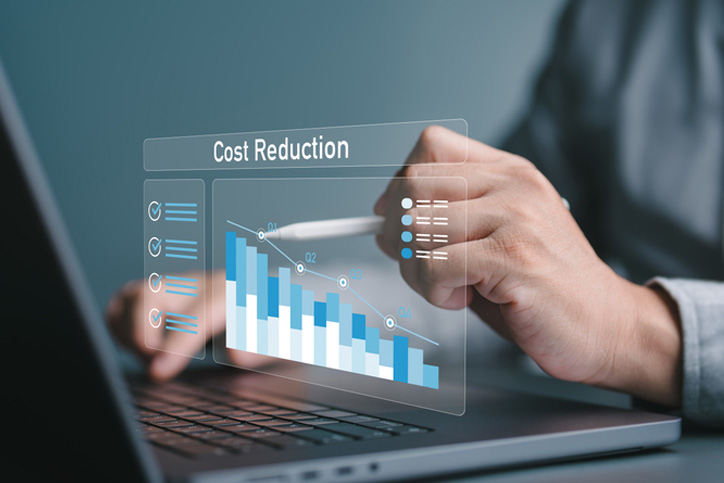
- Over time, these optimisations contribute to lower emissions and operational costs.
- Compliance and Reporting
- Sub-metering data simplifies compliance with regulatory frameworks such as the UK’s Streamlined Energy and Carbon Reporting (SECR) requirements.
- Detailed monitoring ensures accurate carbon accounting, providing verifiable evidence of progress towards net zero goals.
- Transparent reporting not only satisfies regulators but also bolsters stakeholder confidence.
- Empowering Behavioural Change
- Sharing sub-metering insights with employees fosters a culture of sustainability, encouraging everyone to contribute to energy-saving efforts.
- Dashboards and feedback loops provide immediate visibility into how individual actions impact overall performance.
- Incentivising teams to meet specific energy reduction targets can amplify collective efforts.
Key Steps to Maximise Impact
Conduct a Baseline Assessment
Before implementing sub-meters, establish a baseline of current energy use to understand where you stand and set realistic targets.
Integrate with Broader Sustainability Plans
Ensure that sub-metering and monitoring align with the company’s overarching net zero strategy. Integrating energy data into broader carbon reduction plans maximises their impact.
Use Advanced Analytics
Leverage analytics tools to identify patterns, predict future consumption, and uncover hidden inefficiencies.
Scale Over Time
Start with a pilot project, such as sub-metering a single department or process, and expand based on proven results. This approach minimises upfront costs and builds momentum for broader adoption.
The Bigger Picture
Sub-meters and energy monitoring are not just tools for reducing energy consumption; they are enablers of transformative change. By providing the detailed insights necessary to optimise operations, these technologies empower companies to take meaningful steps towards achieving net zero.
In a world increasingly focused on sustainability, businesses that leverage these tools not only lower their environmental impact but also strengthen their competitiveness. As energy costs rise and regulatory pressures increase, the ability to manage and reduce energy use will be a defining factor for success.
Sub-meters and energy monitoring represent a powerful step forward in the journey to net zero. The time to act is now—because every kilowatt saved today is a step closer to a sustainable tomorrow.